DOI 10.53578/1819-6624_2026_7_20
Статья посвящена анализу роли международных конвенций и договоров в регулировании наследственных правоотношений, осложненных иностранным элементом. Актуальность исследования обусловлена увеличением мобильности населения и ростом числа трансграничных наследственных дел, порождающих коллизии между разнородными национальными законодательствами. В статье последовательно рассматриваются ключевые многосторонние конвенции (Гаагские конвенции 1961 и 1989 годов, Вашингтонская конвенция 1973 года), региональный Регламент ЕС № 650/2012, а также двусторонние договоры о правовой помощи. Исследуются их основные принципы: отказ от расщепления наследственной массы, “каскад” коллизионных привязок для признания формы завещания, введение стандарта международного завещания, установление единой юрисдикции и применимого права, создание Европейского свидетельства о наследовании.
Ключевые слова: международное наследование, иностранный элемент, коллизионные нормы, Гаагские конвенции, Вашингтонская конвенция, Регламент ЕС, двусторонние договоры, применимое право.
NORMS OF INTERNATIONAL CONVENTIONS AND INTERNATIONAL TREATIES WHEN REGISTERING INHERITANCE RIGHTS INVOLVING A FOREIGN ELEMENT
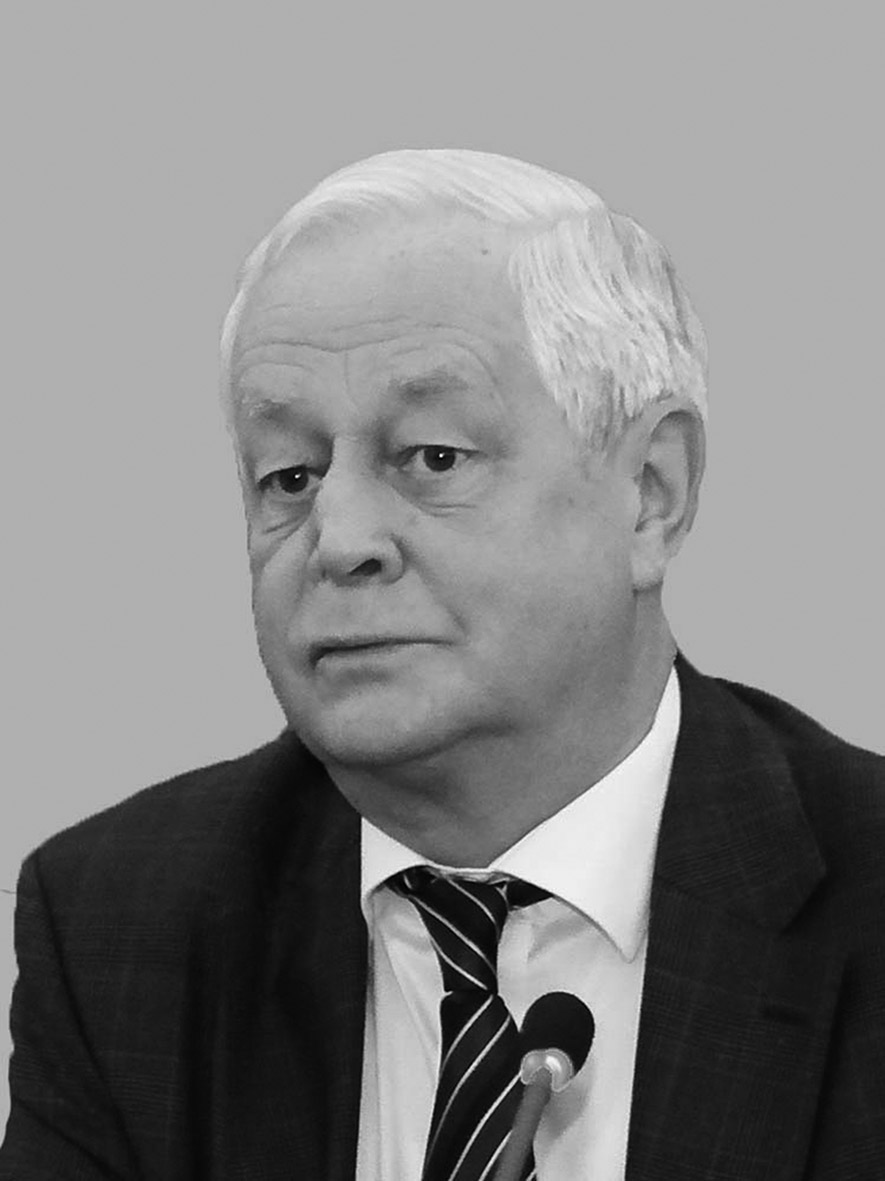
Viktor T. Kalinichenko, Notary of the Zhukovsky Notarial District of the Moscow Region, PhD in Law
ABSTRACT. The article analyzes the role of international conventions and treaties in regulating hereditary legal relations complicated by a foreign element. The relevance of the study is due to the increase in population mobility and the growing number of cross-border inheritance cases that generate conflicts between diverse national legislations. The article consistently examines key multilateral conventions (the Hague Conventions of 1961 and 1989, the Washington Convention of 1973), the EU Regional Regulation No. 650/2012, as well as bilateral treaties on legal assistance. Their basic principles are investigated: the rejection of the splitting of the hereditary mass, the “cascade” of conflict-of-laws bindings for the recognition of the form of a will, the introduction of the international standard of probate, the establishment of a unified jurisdiction and applicable law, the creation of a European certificate of inheritance.
Keywords: international inheritance, foreign element, conflict of laws rules, Hague Conventions, Washington Convention, EU Regulation, bilateral treaties, applicable law.